Trips we plan

Recognisable problems, not a list of destinations.

These examples describe trip shapes TravelQuest is designed to plan. They are examples, not past customer bookings or promises of availability.

Open jaw

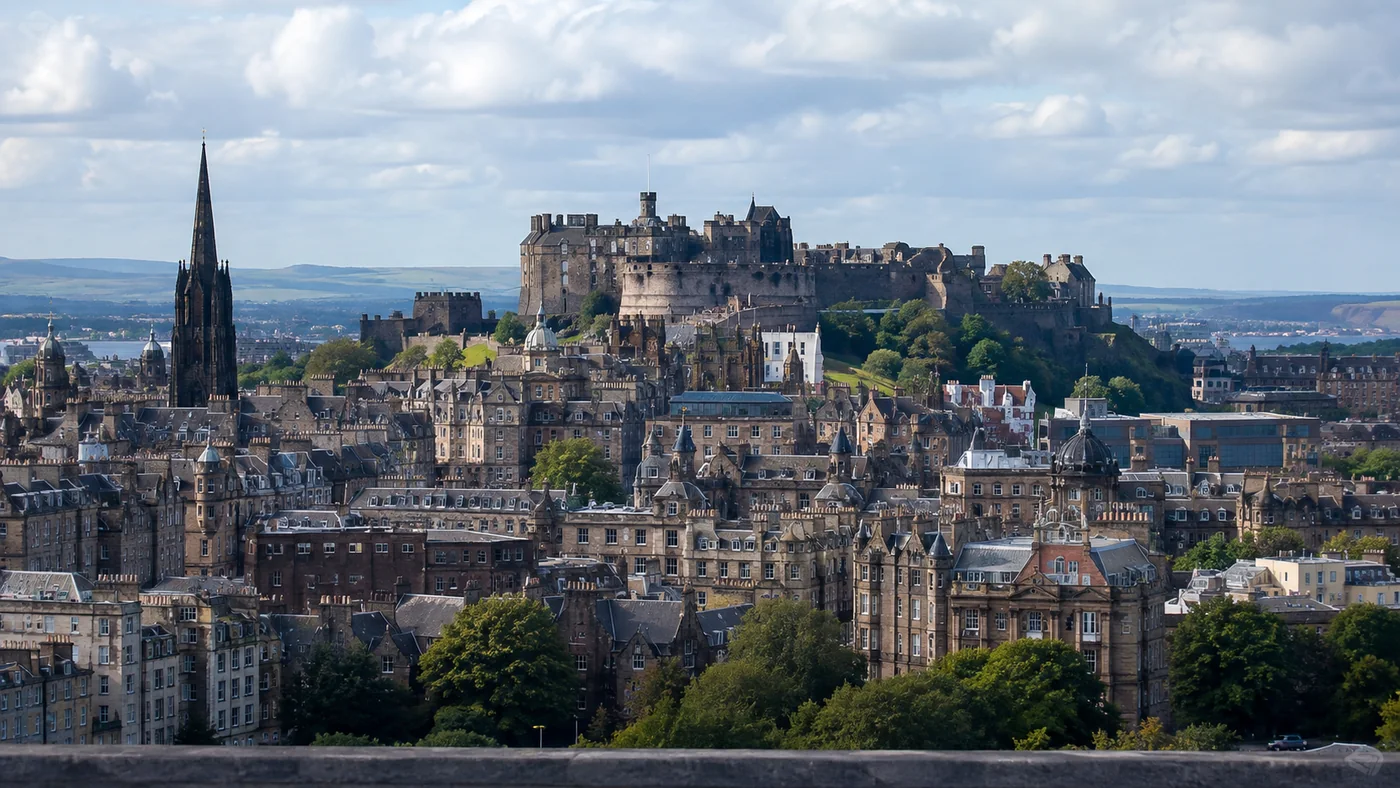
London in. Edinburgh out.

HOMELONDONEDINBURGH

The planning problem

The trip ends hundreds of miles from where it began. Forcing a return to London adds time and another hotel night. We compare an open-jaw fare against separate one-way tickets and check whether the fare rules work together.

Several cities

Tokyo, Kyoto and Seoul.

The planning problem

The international flights, domestic rail and regional flight have to fit the same calendar. We compare the order of the cities before comparing fares.

Distributed group

Eleven people from five airports.

The planning problem

The aim is not one identical ticket. It is a set of arrivals that work together, with enough time for the group commitment and fare conditions each traveller understands.

Fixed arrival

A meeting that cannot move.

The planning problem

A cheap fare that arrives too late is not an option. We work backward from the fixed commitment and compare earlier arrivals, connection risk and change flexibility.

Mixed needs

Different cabins on one trip.

The planning problem

Travellers may share flights while using different cabins or fare types. We compare what can remain coordinated and what must be ticketed separately.

Poor fit

A simple return flight.

When to book directly

If the dates are fixed, the route is direct and the fare conditions are clear, booking with the airline may be faster. TravelQuest is most useful when the parts affect one another.